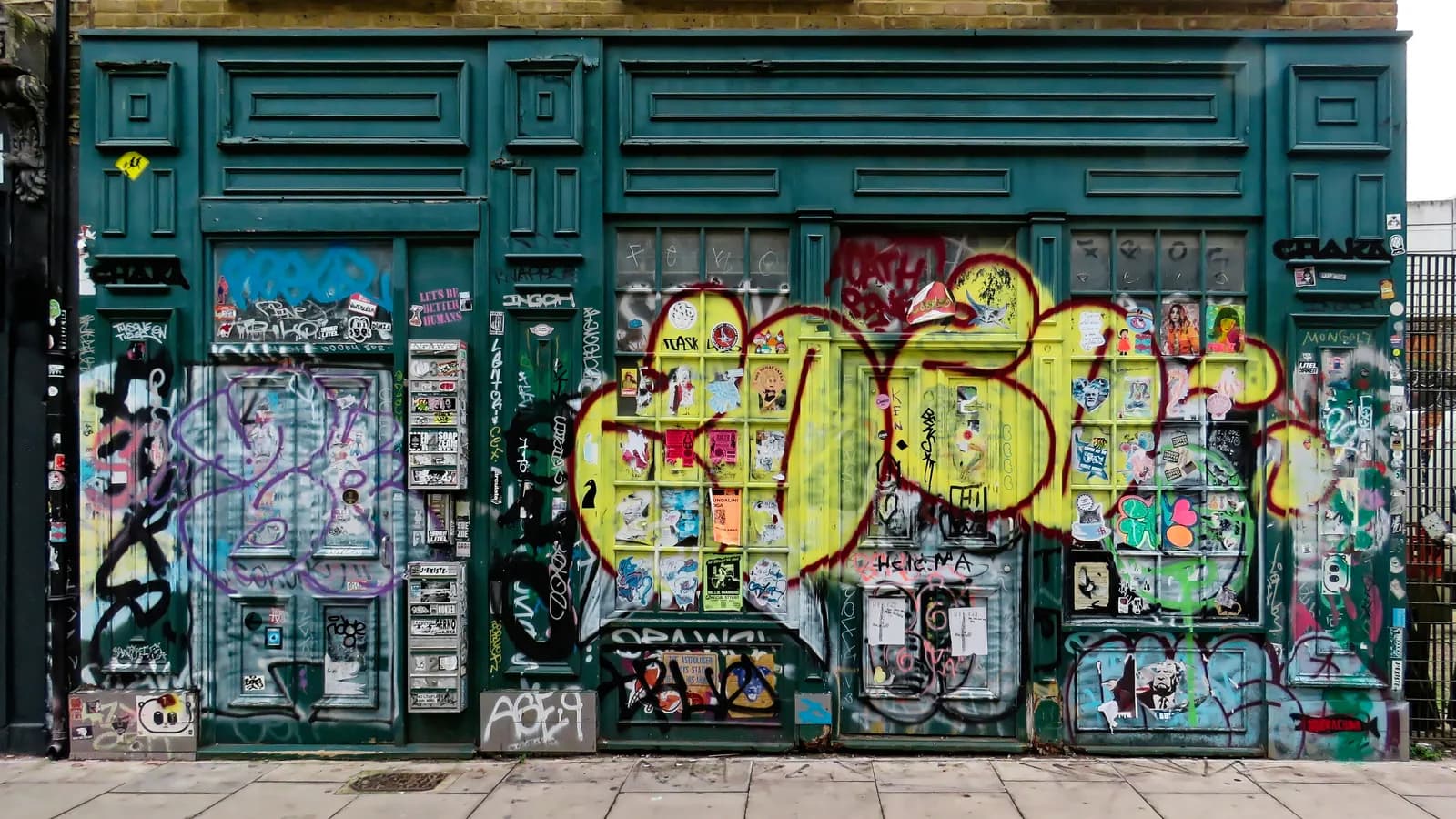
Tower Hamlets is a borough with a story woven from rivers, markets and migration. For both long-standing locals and new arrivals, its tapestry of neighbourhoods tells of how London’s East End came to be what it is today.
Origin of the Name
The name “Tower Hamlets” reaches back centuries. As early as 1554, records show that the “men of the hamlets” owed military service to the nearby Tower of London. This historic link gave rise to the Tower Division – a district stretching far wider than today’s borough boundaries, with the hamlets providing people and support to defend London’s mighty fortress.
[Source]
Marsh, Markets and the Thames
Tower Hamlets was never a single village but a collection of marshy riverside settlements, shaped by the Thames and the demands of trade. Much of the land was reclaimed over time, creating space for markets and for the busy docks that would define the area. Instead of a grand civic centre, the borough’s heart has always been in its working yards, warehouses and winding streets. Dockers, shipwrights, and carters helped drive the local economy, earning the East End its reputation for hard graft.
[Source]
Migration and Changing Communities
If there is one constant in Tower Hamlets’ history, it is change. Over centuries, different groups have found a foothold here and left lasting marks. Huguenot refugees brought silk-weaving to Spitalfields in the 17th and 18th centuries, followed by Irish dock workers seeking jobs in the 19th century. Jewish families from Central and Eastern Europe made the East End their home, finding new beginnings in streets around Whitechapel. More recently, from the 1960s onwards, a large Bangladeshi community settled here, reshaping food, faith and public life – especially in places like Brick Lane. Each wave of newcomers added their traditions and energy to the borough’s character.
[Source]
Housing, Hardship and Renewal
The East End’s notorious overcrowding and poverty brought countless social reformers and campaigners to its streets. The area suffered badly in the Second World War, and destruction made way for major public housing efforts. In the late 20th century, with the closure of the docks, old industries disappeared – but communities adapted again. Docklands redevelopment in areas such as the Isle of Dogs brought a new skyline and new opportunities, blending with the borough’s existing fabric.
[Source]
The Patchwork Borough
In 1965, Tower Hamlets became an official borough by bringing together Bethnal Green, Poplar and Stepney – all with identities of their own. Today, local residents know that a walk from Spitalfields to Wapping, or from Bow to Limehouse, crosses neighbourhoods that feel distinct yet are connected by shared experiences and a common past. The borough’s diversity and determination have always been its greatest strength.
[Source]
Whether you have lived here for generations, arrived last month, or simply enjoy the area’s markets and parks, Tower Hamlets stands as proof that London’s East End has never stopped evolving. Its history is a story of people making new lives and new possibilities beside the river, shaping a community that remains as welcoming and adaptable as ever.